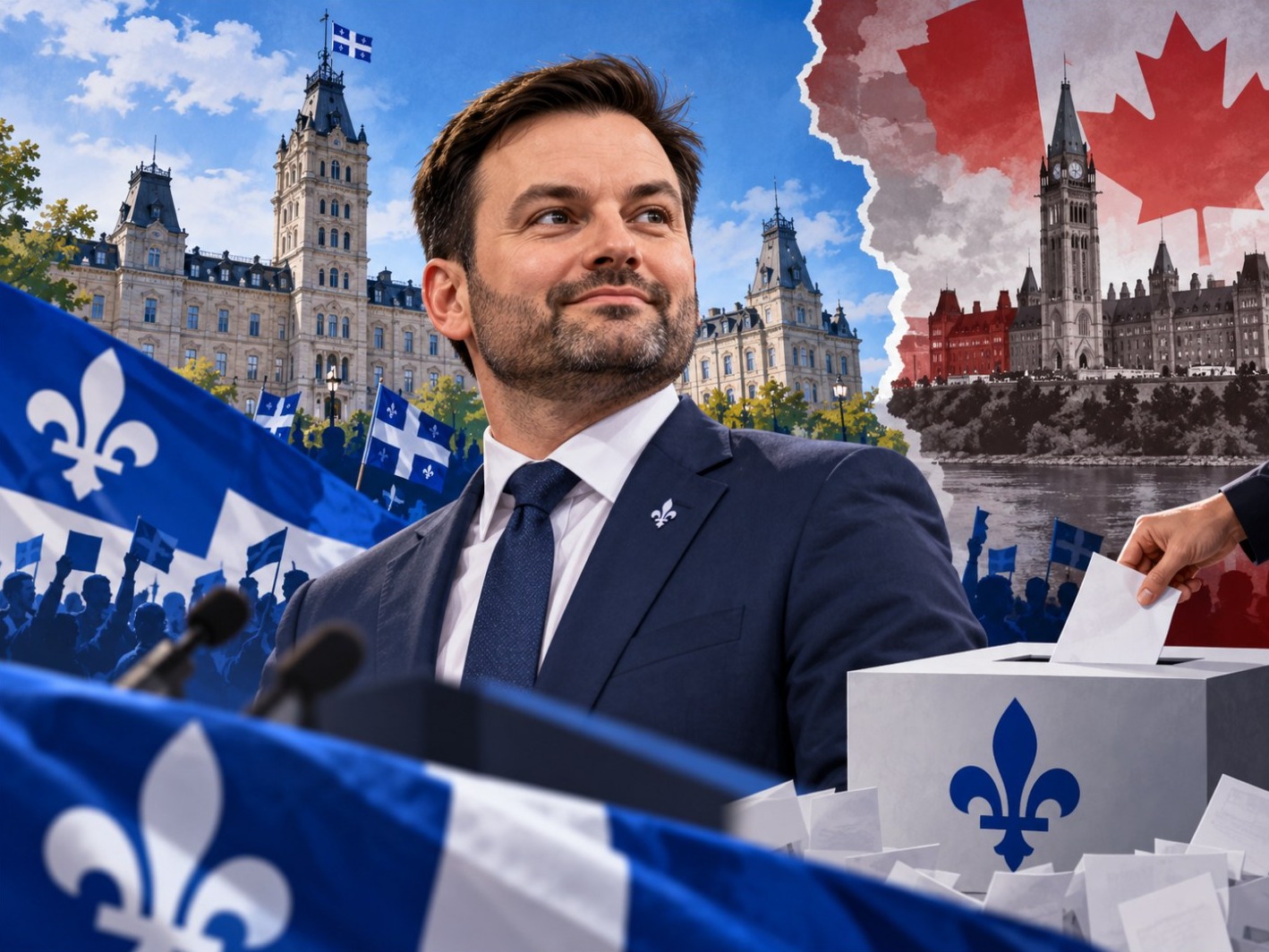
On Monday night, Quebec turned a page few expected it to turn so quickly. The Parti Québécois, which held only seven seats in the outgoing legislature, will now form the government. Its leader, Paul St-Pierre Plamondon, a 49-year-old former lawyer, stood before his supporters as the man who had led his party from the margins back to power.
According to provisional results, the PQ won 59 of the 127 seats, five short of a majority. Its share of the vote, about 28 percent, is the lowest ever to carry a party to power in Quebec, a reflection of a vote split among five major parties. The biggest loser was the Coalition Avenir Québec, in power since 2018, which lost all 79 of its seats in what analysts describe as a wave of voter fatigue.
The PQ campaigned on a promise to hold a referendum on Quebec independence, but Plamondon has drawn a careful line around the timing. He says he will not call a vote while Donald Trump remains in the White House, pointing to political uncertainty and the damage caused by US tariffs. He has also reminded voters that the National Assembly would have to approve a referendum, which means he would need support from the opposition. Quebecers have said no twice before, in 1980 and 1995, and polls today put support for independence at around 30 percent, close to a record low.
Prime Minister Mark Carney congratulated Plamondon, writing that a stronger Quebec is central to a stronger Canada, and said he looks forward to working together to support Quebec businesses and workers hurt by tariffs. Yet friction is likely. The new government wants to resist higher federal immigration targets, cut Quebec’s ties to the British monarchy and block a proposed high-speed rail link with Ontario. Before any referendum, reports say, Plamondon intends to focus first on these disputes with Ottawa.
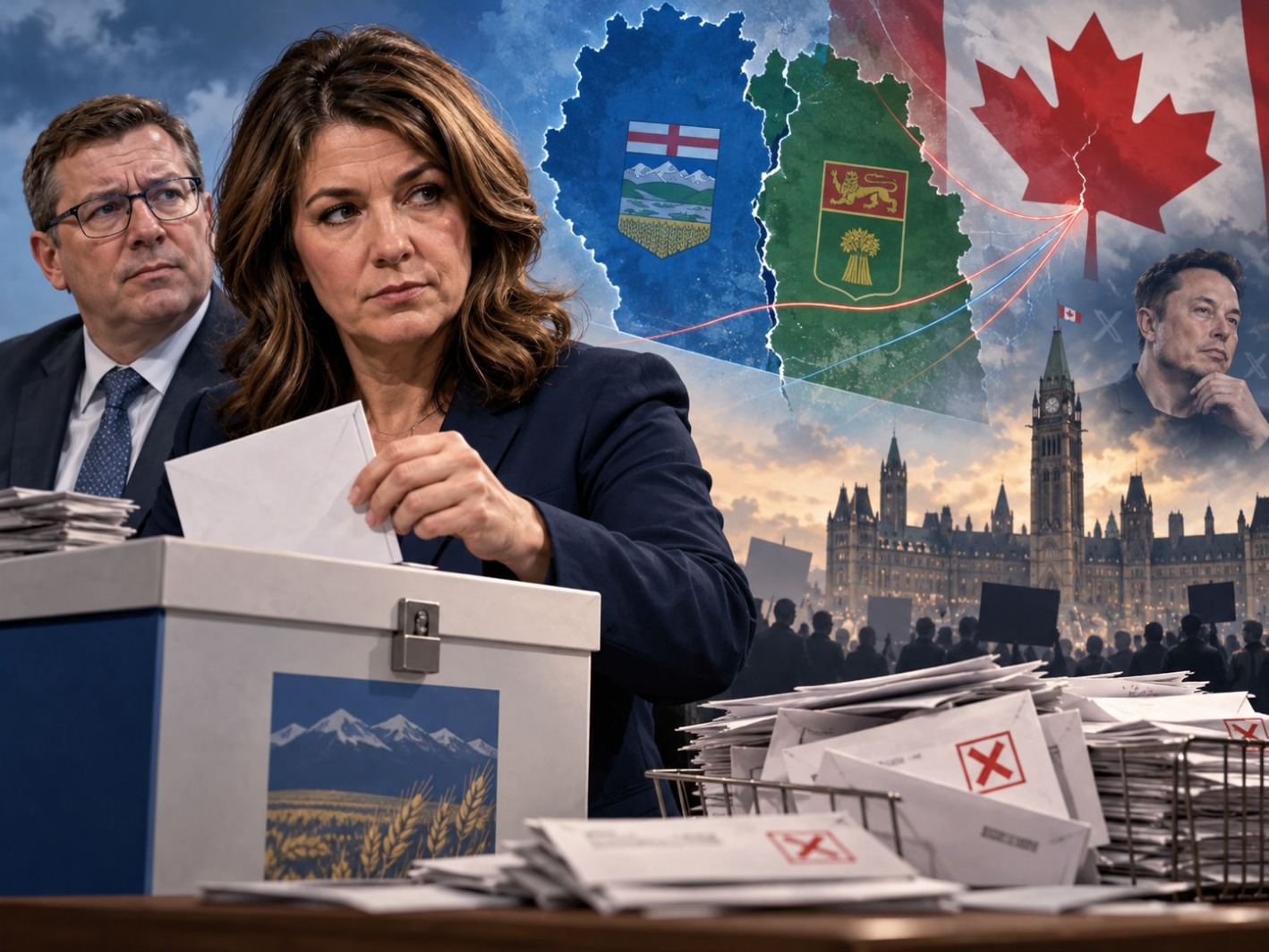
Quebec is not alone in testing the bonds of Confederation. On October 19, Albertans will vote on whether to hold a referendum on leaving Canada. For the Polish community, which has built its life in a united Canada, these debates are a reminder that the country so many of us chose is still writing its own story.