.png)
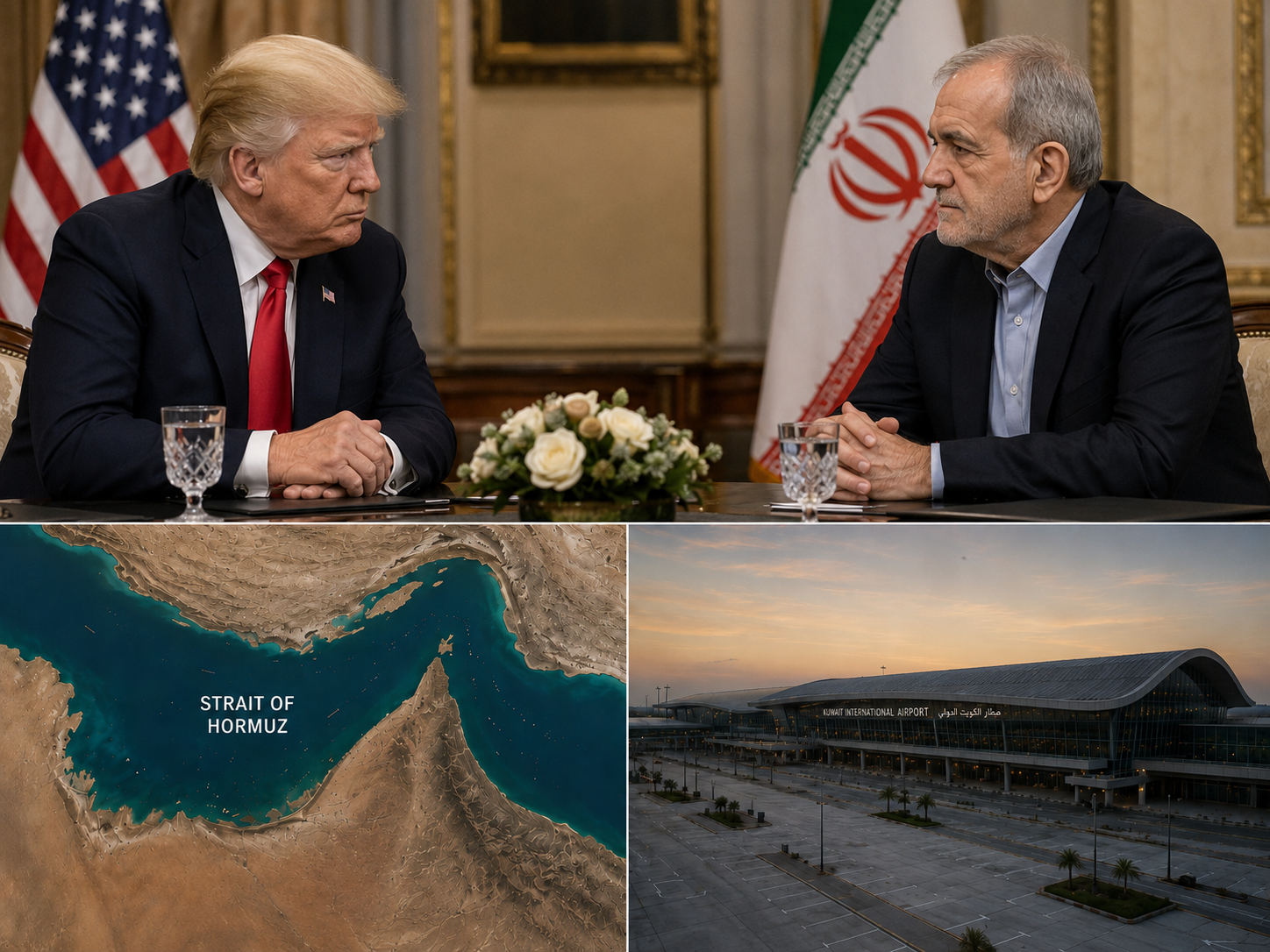
The conflict began when the United States and Israel launched surprise airstrikes on Iran, killing Supreme Leader Ali Khamenei and dozens of other officials. Iran retaliated with hundreds of missiles and drones across the region and closed the Strait of Hormuz — a critical global oil chokepoint — to Western-allied shipping. The closure has caused severe fuel shortages and disrupted global trade.
Peace negotiations in Washington remain uncertain. Iranian state media announced talks had been suspended over Israeli actions in Lebanon, but US President Donald Trump insisted on June 1 that talks continue "at a rapid pace." The US House of Representatives passed a resolution to limit Trump's war powers in Iran — a rare rebuke to the president.
Estimated casualties: 1,400–3,600 dead in Iran; 2,976+ killed in Lebanon; dozens in Israel and Gulf states
The Strait of Hormuz remains closed — ships face fees up to $2 million per transit payable in yuan or Bitcoin
Trump confirmed Iran agreed to allow the US to remove buried nuclear material once the conflict ends
Over one-sixth of Lebanon's population has been displaced since the conflict resumed
Energy disruption expected to impact global economy well into 2027, according to analysts
The Iran conflict has significant implications for Poland and the Polish-Canadian community. Rising oil prices, global supply chain disruptions, and the broader destabilization of the Middle East all carry economic consequences felt across the Western world, including in Canada.